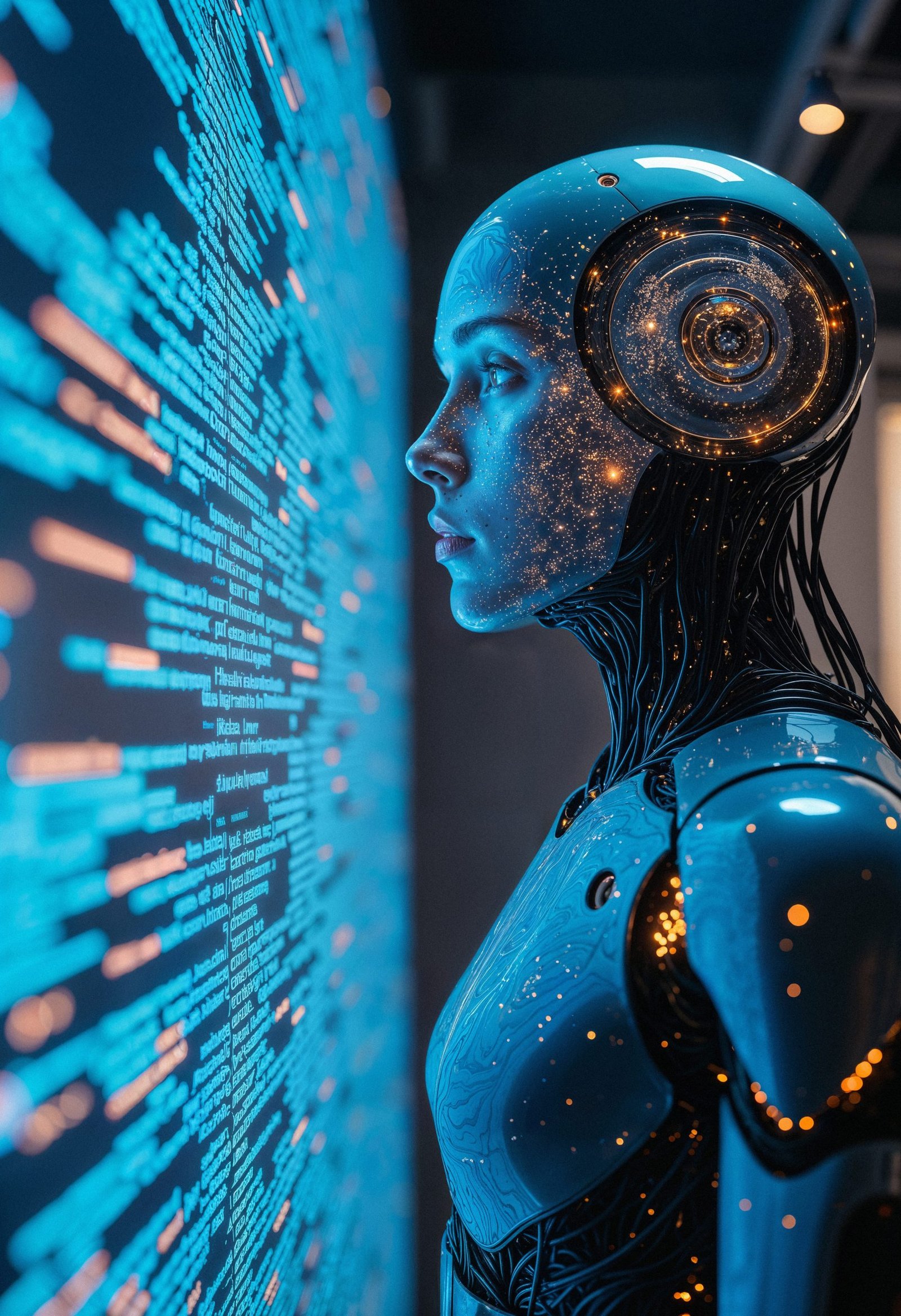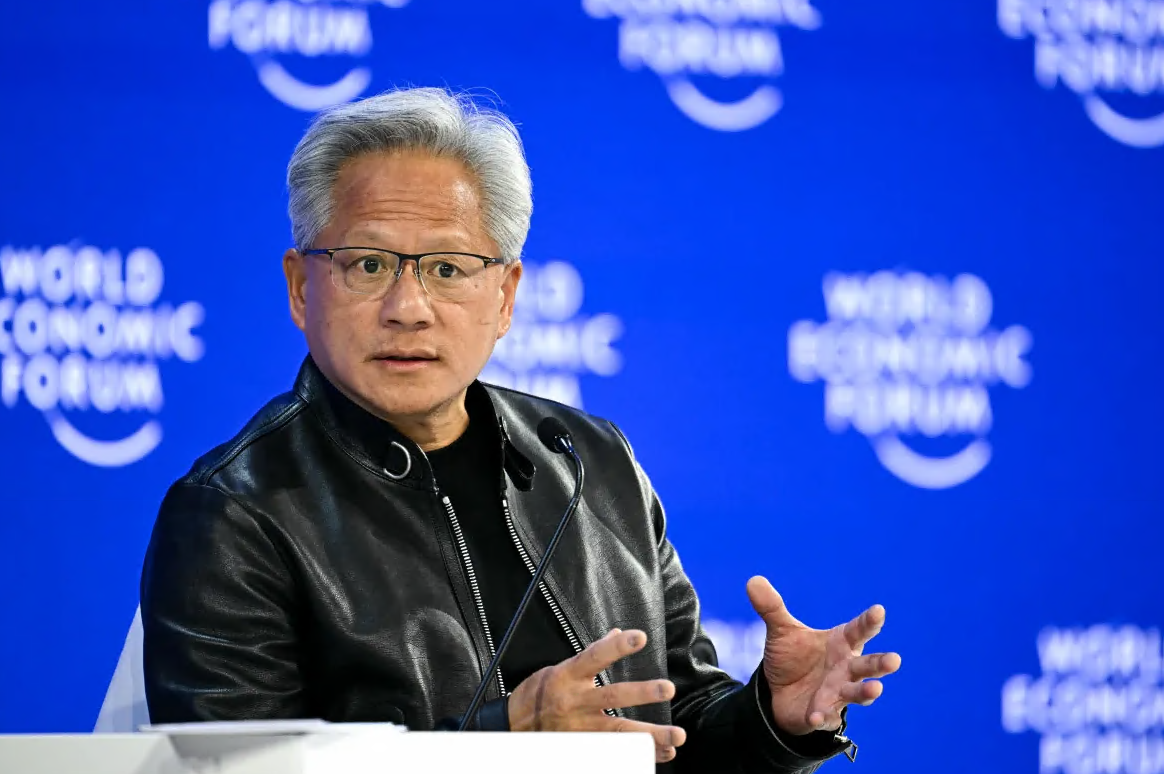
As governments around the world debate how to regulate artificial intelligence, Nvidia CEO Jensen Huang is taking a different position. Speaking at Salesforce’s Dreamforce conference, Huang argued that AI safety should be addressed primarily through strong engineering practices and responsible product development rather than through new layers of government regulation.
His comments come at a time when policymakers, researchers, and technology leaders are increasingly divided over how AI should be governed as the technology becomes more powerful and widely adopted.
An Engineering Problem, Not a Regulatory One
Huang’s core argument is straightforward: AI is a technology created by humans, and like any other technology, it should be managed through careful design, testing, and accountability.
Rather than viewing AI as an uncontrollable force that requires entirely new legal frameworks, Huang believes companies building these systems should take responsibility for ensuring their products are safe before they reach users.
It’s a perspective that places significant trust in the engineers, researchers, and organizations developing AI systems. It also assumes that existing product standards and liability frameworks can handle many of the challenges associated with artificial intelligence.
The Role of Market Accountability
One of the most interesting points Huang raised is that companies already have strong incentives to build safe products.
Businesses that release unreliable, insecure, or harmful AI systems risk damaging their reputation, losing customers, and facing serious financial consequences. From this perspective, the market itself acts as a powerful form of accountability.
Supporters of this approach argue that introducing excessive regulation too early could slow innovation at a critical moment. AI is already transforming industries ranging from healthcare and scientific research to software development and manufacturing. They believe companies need enough flexibility to innovate quickly while maintaining rigorous internal safety standards.
Why Some Experts Disagree
Not everyone is convinced.
Critics argue that relying solely on market forces has not always worked in the past. History offers plenty of examples of technologies that produced unintended consequences despite good intentions and extensive development efforts.
AI presents a unique set of challenges that go beyond traditional software risks, including:
- Autonomous decision-making
- Large-scale misinformation
- Security and cybersecurity concerns
- Privacy risks
- Bias and discrimination
- Reduced human oversight in critical processes
Because advanced AI systems can affect millions of people almost instantly, many experts believe governments should establish clearer rules and safeguards before the technology becomes even more influential.
A Middle Ground Is Emerging
While the debate is often presented as a choice between regulation and innovation, many organizations are moving toward a middle ground.
Across the industry, AI companies are increasingly adopting voluntary safety measures and internal governance frameworks. These initiatives include:
- AI safety testing
- Model evaluations
- Red-team exercises
- Security audits
- Transparency initiatives
- Cross-industry collaboration
The goal is to demonstrate that innovation and responsibility can coexist. Many technology leaders recognize that public trust may ultimately be just as important as technological capability.
Why Nvidia’s Position Matters
Huang’s comments carry particular weight because Nvidia sits at the center of the modern AI ecosystem.
The company’s GPUs power a large share of today’s AI training and inference workloads, making Nvidia one of the biggest beneficiaries of the generative AI boom. Beyond hardware, Nvidia has expanded into AI software, development platforms, agent technologies, and open AI models.
As organizations continue investing billions of dollars into AI infrastructure, Nvidia’s influence extends far beyond semiconductor manufacturing. The company’s vision for AI development increasingly shapes conversations across the broader technology industry.
That makes Huang’s views relevant not only to engineers and business leaders, but also to policymakers trying to determine how AI should be governed in the years ahead.
What Happens Next?
The future of AI regulation remains uncertain.
Governments in North America, Europe, and Asia are all exploring different approaches to AI oversight. At the same time, technology companies continue to push for frameworks that encourage innovation while avoiding excessive bureaucracy.
The eventual outcome may not be an either-or choice. Instead, the industry could move toward a hybrid model where governments establish broad guardrails while companies take primary responsibility for implementing safety measures through engineering and testing.
What seems clear is that the conversation is only beginning. As AI systems become more capable and more deeply integrated into everyday life, questions about safety, accountability, and governance will become increasingly important.
Final Thoughts
Jensen Huang’s latest remarks highlight one of the most important debates in technology today.
On one side are those who see AI safety largely as an engineering challenge that can be addressed through responsible development, testing, and accountability. On the other are those who believe stronger regulation is necessary to protect society from emerging risks.
As AI continues to reshape industries and economies, finding the right balance between innovation and oversight may become one of the defining challenges of the decade. The decisions made today will likely influence not only the future of AI, but also how society chooses to manage transformative technologies in the years to come.